“Technology can read data. It cannot calibrate risk or balance trade-offs.”
That line landed early in the Vol. 9 panel, and the rest of the evening kept circling back to it.
Underneath every conversation about applicant tracking systems, screening tools, and AI shortlists is a question recruiters have always had to answer:
Are we actually seeing the best person for the role, or just the person who wrote the best keywords?
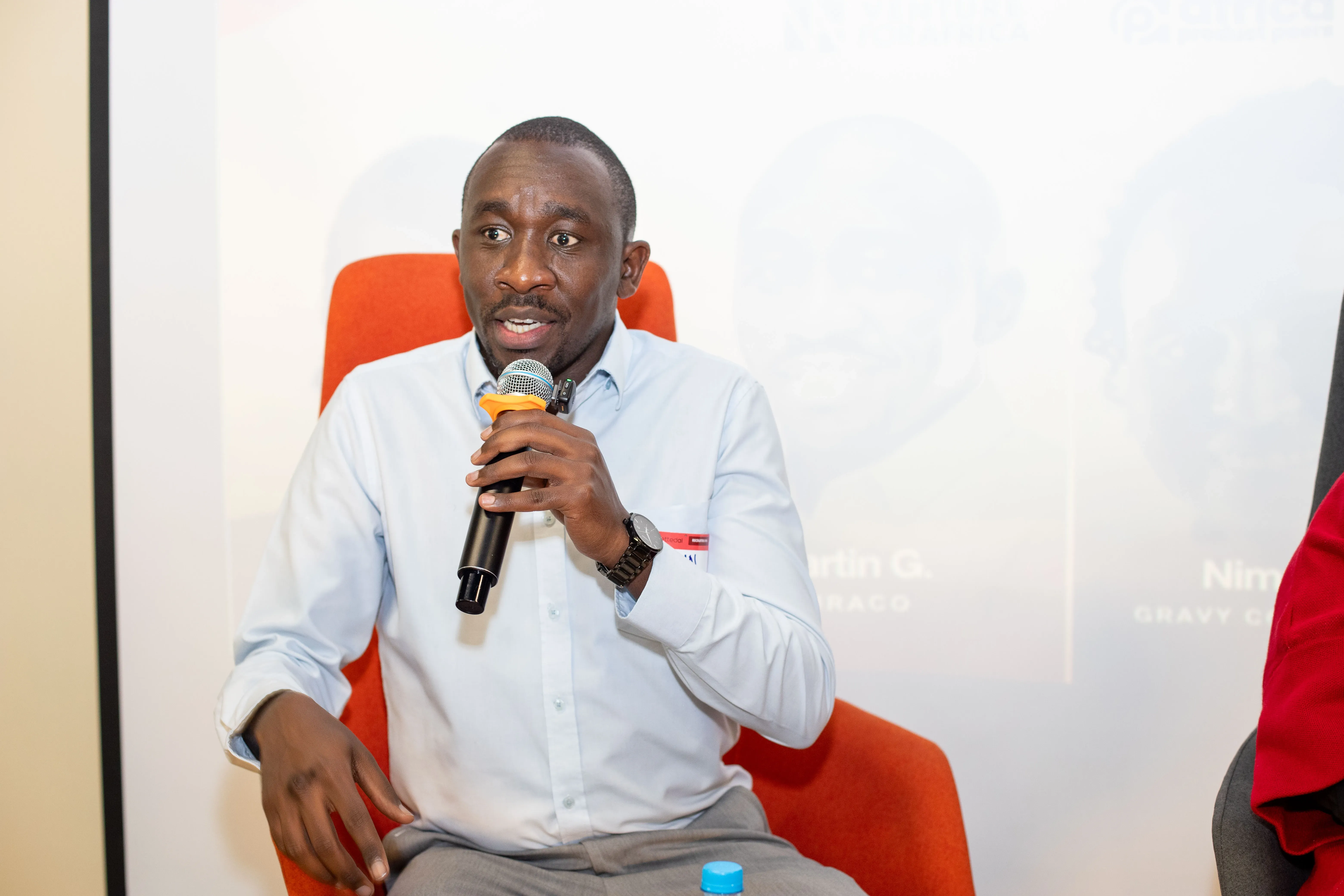
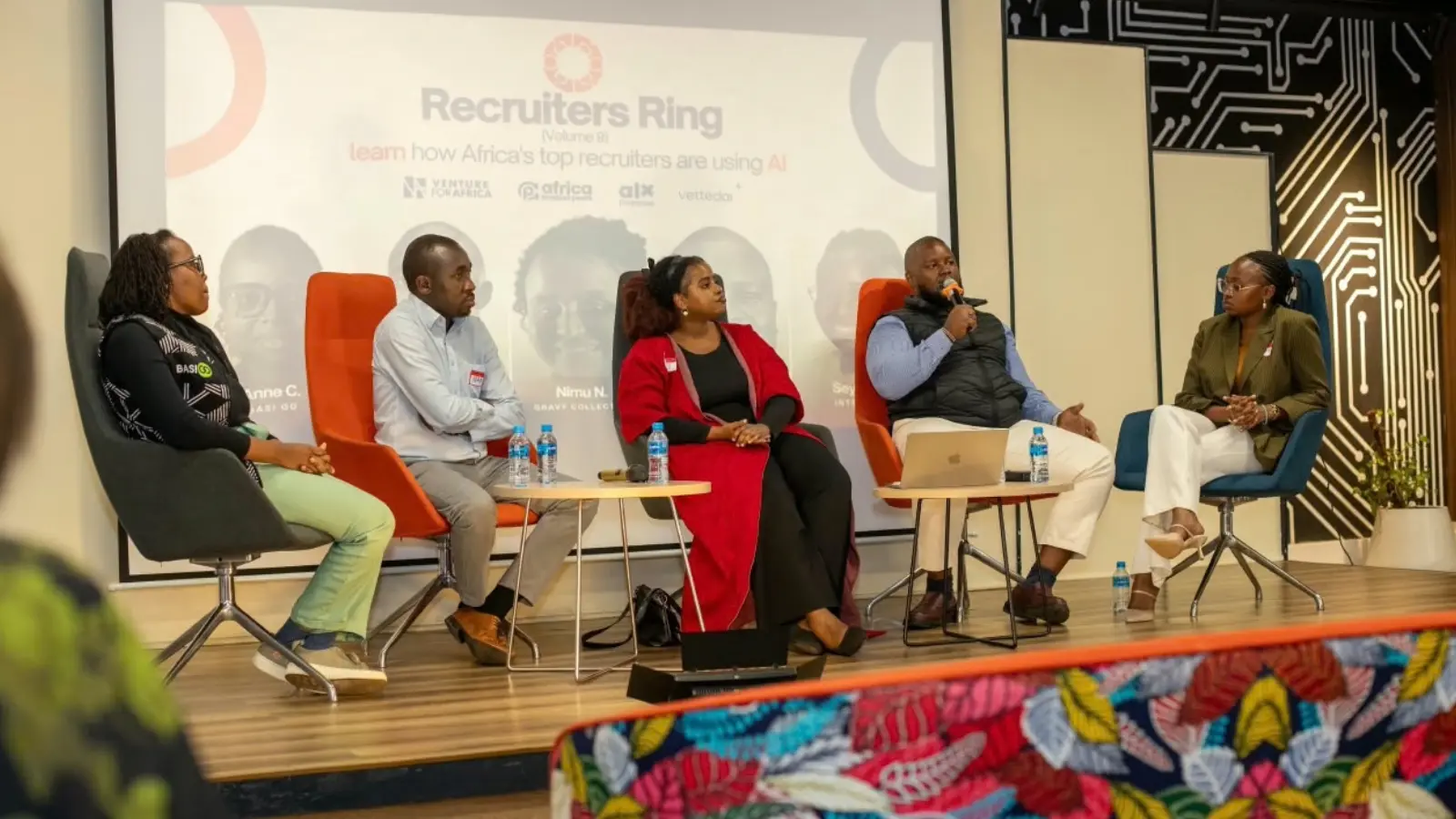
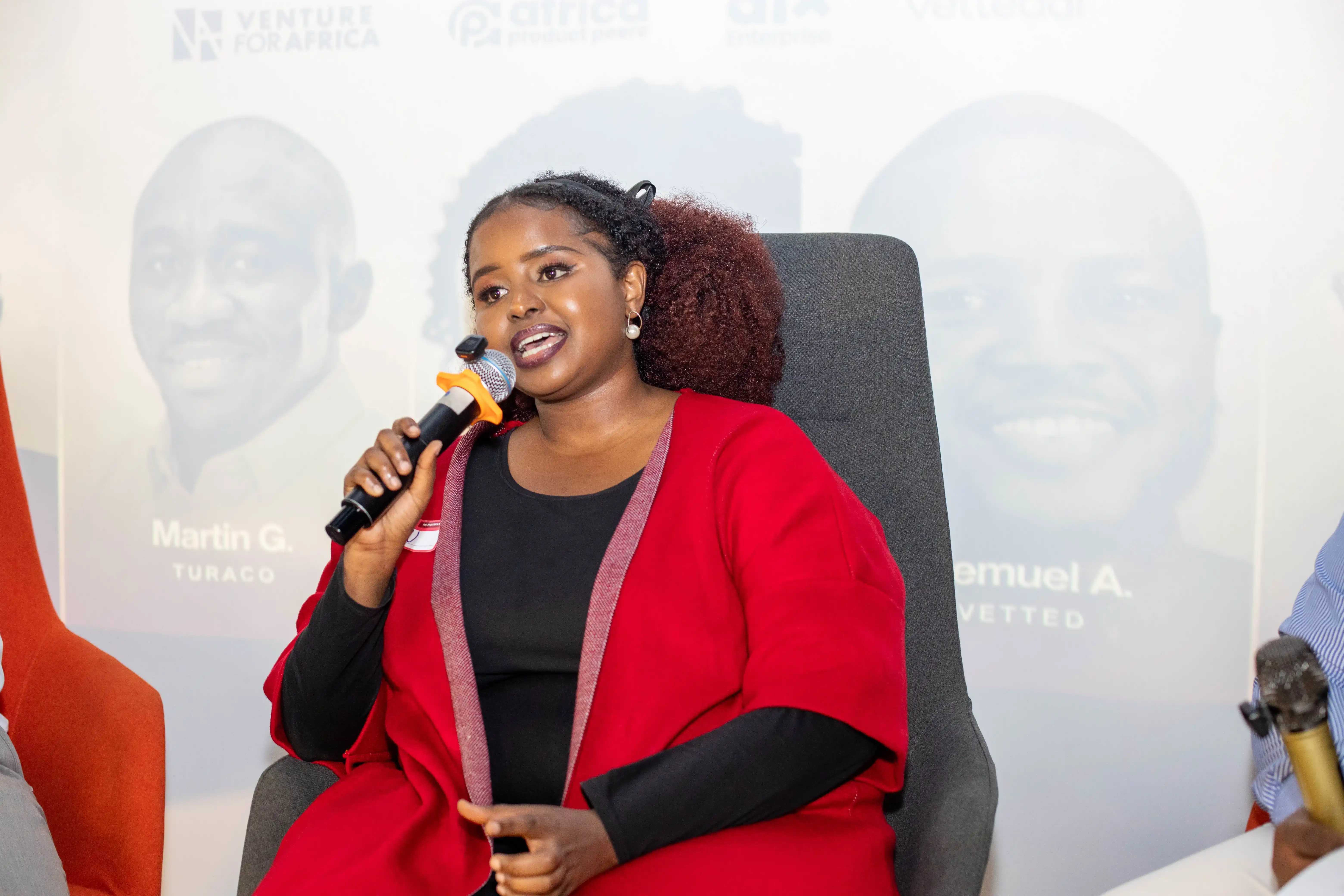
In September, the Ring put four panelists on one stage in front of 100 registered attendees: Martin of Turaco, Anne Chege of BasiGo, Seyde of Intellect, and Wairimu Ngugi, PHRi™, from Gravy Collective Africa. All four had sharp things to say about AI in hiring. Wairimu stood out for a simple reason. She had already built something to fix the part of the problem she could reach.
Here is what she shared.
The Problem With Reading Data Alone
The panel’s throughline was blunt. An ATS can read data, but it can’t calibrate risk, and it can’t read a room. It was never built to surface the best talent. It was built to surface the talent that matches its keywords.
Wairimu’s version of that argument started with the document itself. A resume, she said, was always a marketing tool, not an objective record. Candidates who know how to game the algorithm get through. Candidates with a non-linear path often get filtered out before a human ever sees them. That includes the career changer, the self-taught professional, and the person whose best work doesn’t fit a job title.
That is not a talent shortage. It is a visibility problem.
What She Built
So Wairimu built a candidate storytelling tool, which we have called the Nimu Compass here.
It works like this. A candidate is walked through a set of AI-prompted questions designed to surface transferable skills and explain a career path that doesn’t read as a straight line on paper. Along the way it also captures onboarding preferences. Then it generates a narrative about the candidate, and this is the part that matters: the candidate reviews and edits that narrative themselves before anything goes further.
The story stays theirs. The AI helps draft it, but it never gets the last word on who someone is.
Why Skill Tags and Not Another CV
The most practical design choice was what the tool hands to the recruiter.
It does not produce a second document to read. The output goes to recruiters as skill tags, things like “verbal skills” or “HR”, that sit alongside the candidate’s actual CV. A recruiter working through high volume can scan the tags quickly and see strengths the CV alone might bury.
That choice reflects her wider view of AI in recruiting. The tool is not trying to replace a recruiter’s judgment. It is trying to get more of the right information in front of that judgment, faster.
Her take on the process itself was just as pointed: “The hiring process itself is the company’s greatest employer brand signal.” How you treat candidates while you screen them is part of what you are selling.
Start With the Business Problem
Wairimu’s standing position for recruiters is that the core of the job is understanding the business problem first, then building a talent profile around it. That work is not something to hand to a tool.
She also had a practical suggestion for interview time. Leave the checkbox questions to the application form, and use the conversation for what only a conversation can do.
The Warning About Data
The sharpest moment of her contribution was about privacy.
Collecting marital status, national ID numbers, or NHIF numbers on an application form is a privacy risk and a poor candidate experience. Kenya’s Office of the Data Protection Commission now has regulations that cover HR data, and uploading CVs straight into a general AI tool may breach them.
Her fix was simple. Get candidate consent before you keep a CV in your pipeline. And know what you are allowed to feed into AI before you feed it in.
It is an unglamorous point, and probably the one most recruiters in the room needed to hear.
The Honest Takeaway
Nobody on that panel claimed AI in hiring is solved. What came through is that the more useful conversation is no longer whether to use these tools. It is who they are built to see, and who they quietly leave out.
Wairimu’s answer was to build for the candidate the system overlooks, keep the candidate in charge of their own story, and keep the recruiter in charge of the decision.
AI can read the data. It still takes a recruiter to read the person.