Your Employees Are Already Using AI. Martin Githaiga of Turaco Says the Answer Isn't a Ban.
The real challenge for HR leaders is no longer stopping AI use. It is creating the right conditions for people to use it responsibly.
Your employees are probably using AI at work already. Some are using it to write reports, others to analyze information, prepare presentations, or work through problems they would previously have spent hours solving. Whether their employer has approved those tools is another question entirely.
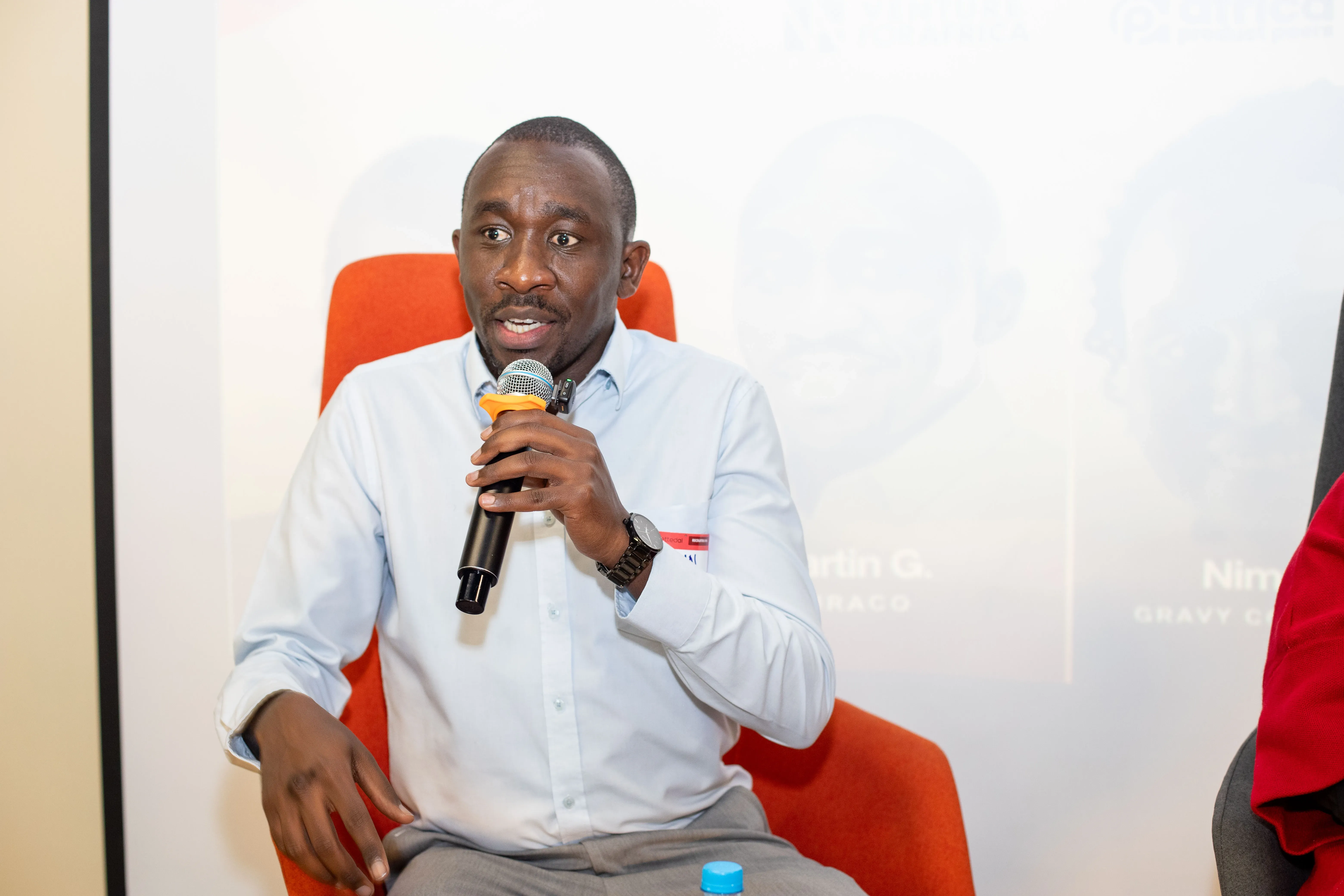
For Martin Githaiga, Head of People at Turaco, that is precisely where the conversation needs to start. Blocking AI does not necessarily stop employees from using it. It can simply push that use out of sight, leaving companies with even less visibility into what information is being shared and how the tools are influencing decisions.
The Problem With Banning AI at Work
A company can restrict access to an AI tool. It can issue a memo telling employees not to use ChatGPT or Claude. But neither action necessarily addresses why employees are turning to those tools in the first place.
People want to work faster, solve problems, and reduce time spent on repetitive tasks. When a tool helps them do that, a blanket ban may only encourage them to find less visible ways of using it. The company loses the opportunity to guide that behaviour, and potentially exposes itself to risks it cannot properly monitor.
Martin's argument is that organizations should focus on responsible enablement rather than outright restriction. Employees need to understand which tools they can use, what company information is safe to share, and where the boundaries are.
That requires more than a general warning about confidentiality. Companies need clear internal AI guidelines that explain acceptable use in practical terms. Martin also advocates making AI usage policies part of employee contracts, creating a shared set of expectations that everyone is formally bound to.
The distinction matters. An AI policy should not exist simply to tell employees what they cannot do. It should give them enough clarity to use technology productively without putting the business, its customers, or its data at risk.
The goal is not to stop employees from using AI. It is to make responsible use possible.
Junior Hiring Is Changing. So Should the Interview.
AI has also changed what a polished job application tells us about a candidate. A strong cover letter, well-structured CV, or impressive written response may demonstrate effort, but it does not necessarily reveal how someone approaches a problem.
For recruiters evaluating junior talent, Martin sees an opportunity to shift attention away from the finished application and towards the thinking behind it.
Rather than asking candidates to demonstrate what they can produce without assistance, recruiters can give them a problem and allow them to work through it using AI. The interesting part is not simply whether they arrive at the correct answer. It is how they approach the task, what they ask the tool, how they evaluate its responses, and whether they recognise when an answer needs further thought.
A candidate who can challenge an AI-generated response, identify a weak assumption, or refine an approach may demonstrate capabilities that a traditional interview question would miss.
This also raises questions about how heavily recruiters should rely on academic credentials, particularly in technical roles. Martin sees self-taught skills, professional certifications, and portfolio projects as increasingly valuable evidence of a candidate's initiative and ability.
A degree still has its place, but it should not automatically outweigh what someone can demonstrate they know how to do. For junior candidates who have developed their skills outside conventional education pathways, that shift could open doors that traditional screening might otherwise keep closed.
What Recruiters Should Actually Be Testing
The practical implication is that hiring assessments need to catch up with how work is being done.
If a role already involves using AI to research, analyze, write, or solve problems, testing candidates only on their ability to complete those tasks without the tools may offer an incomplete picture of how they will perform on the job.
Martin's approach points towards assessments that make the candidate's thought process visible. Give them a relevant challenge, let them use the resources available in a real working environment, and pay attention to the decisions they make along the way.
That does not mean accepting everything AI produces. Quite the opposite. The candidate still needs to demonstrate judgment, subject knowledge, and the ability to distinguish a useful response from a convincing but incorrect one.
For recruiters, the challenge is to design interviews that reveal those qualities rather than reward candidates who have simply mastered the presentation of their answers.
The question becomes less about whether someone used AI and more about whether they knew what to do with it.
Where AI Is Already Helping People Teams
Recruitment is only one area of people operations being reshaped by AI. Behind the scenes, HR teams manage complex administrative work that becomes even more demanding when employees are spread across multiple countries.
Payroll requirements, time-tracking systems, and country-specific employment rules all require careful attention. Working through these issues manually can consume substantial time, particularly for teams supporting employees in different jurisdictions.
Martin highlighted how tools such as Claude and ChatGPT are helping HR operations teams navigate some of this complexity. They can assist with researching requirements, organizing information, and working through operational questions that would otherwise take significant time.
That does not eliminate the need for human verification, especially when dealing with employment regulations or payroll decisions. It does, however, create an opportunity to reduce the time spent on repetitive information work.
The value is in what HR professionals can do with the time they recover. Instead of spending every available hour working through administrative details, they can focus more attention on employee experience, organizational culture, workforce planning, and the decisions that require human understanding.
The same principle runs through Martin's thinking on recruitment. Technology can support the work, but people remain responsible for the judgment behind it.
The Bigger Question for HR Leaders
There is a tension running through every discussion about AI at work. Organizations want the productivity benefits, but they are understandably concerned about data exposure, poor decisions, and employees becoming too dependent on tools they may not fully understand.
Martin's perspective suggests that companies will not resolve that tension by pretending AI can be kept outside the workplace.
Instead, they need to make deliberate choices about how the technology fits into their operations. That means creating policies employees can actually follow, teaching people to use AI responsibly, and updating recruitment practices to reflect the skills that matter in an AI-supported working environment.
It also means recognising that adopting AI is not only a technology decision. It is a people decision, one that affects how employees work, how managers evaluate performance, and how organisations identify potential.
The Honest Takeaway
The companies that benefit most from AI may not be those with the strictest controls or the largest collection of new tools. They may be the ones that help employees understand how to use the technology well while remaining accountable for their decisions.
For recruiters, Martin's perspective is particularly relevant. The skills worth hiring for are evolving, and a polished application or conventional qualification may not tell the whole story. Seeing how someone thinks, learns, and works with AI could reveal more about their potential than the final answer alone.
And for HR leaders, the responsibility is becoming clearer. Build the guardrails, give employees the guidance they need, and create room for new ways of working without abandoning human judgment.
You cannot build an AI-ready workforce by simply telling people not to use AI. You have to lead them in how to use it.